Philip Webb (1831–1915) was an architect, designer, founding partner of the groundbreaking decorative arts firm, Morris & Co., and a pioneering advocate for the preservation of historic buildings. A close friend of William Morris and frequent collaborator with Edward Burne-Jones, Webb was part of a remarkable circle of artists, architects, and craftsmen that sought to transform the aesthetics of everyday life in nineteenth-century Britain. He believed that beauty did not arise from industrialized excess, but from honesty—expressed through materials, workmanship, and purpose.
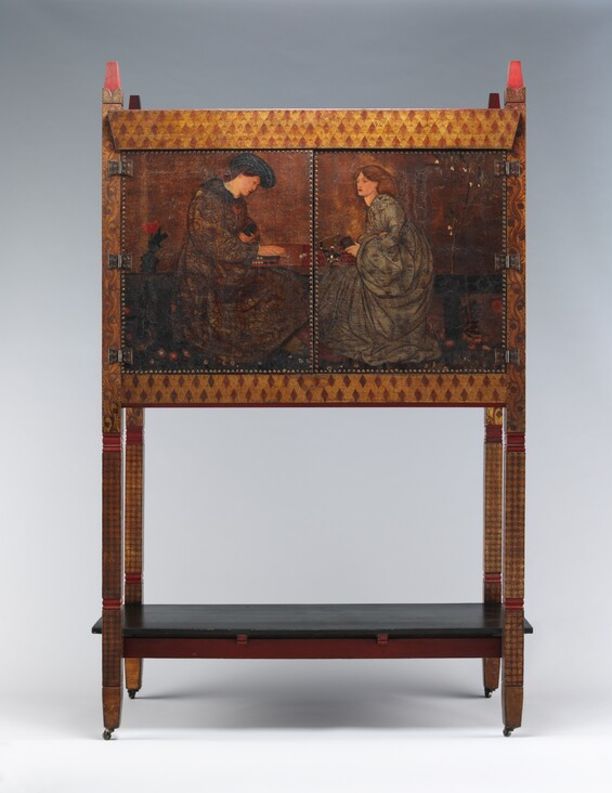
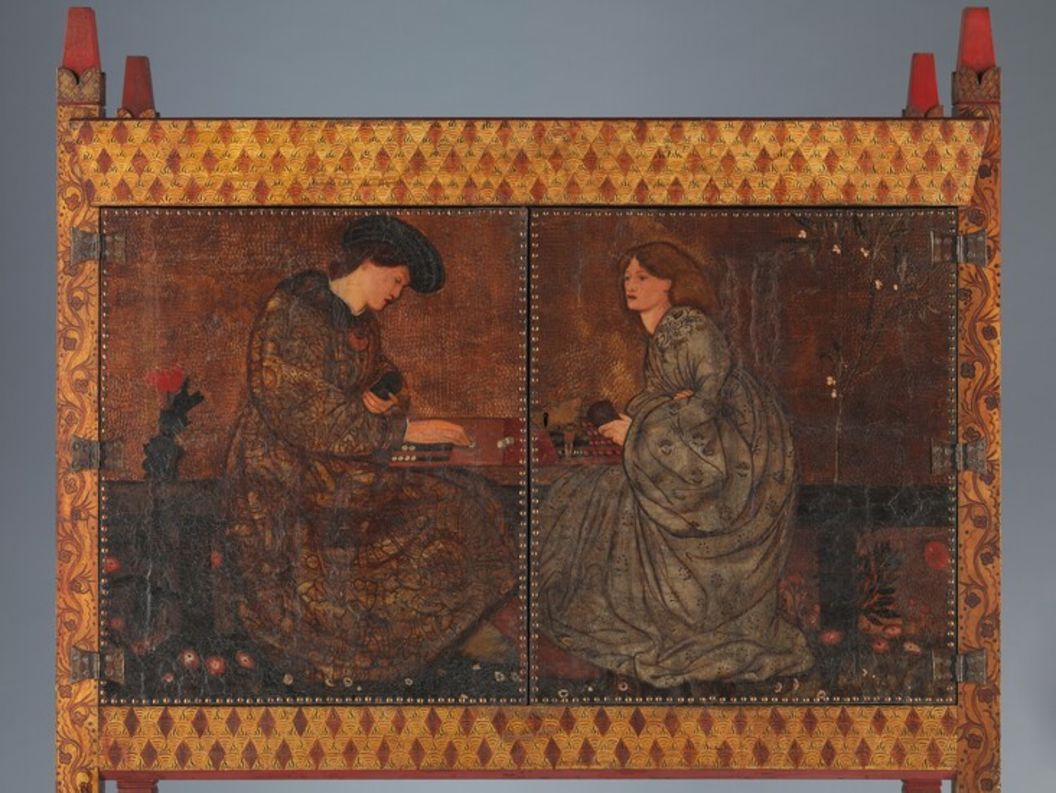
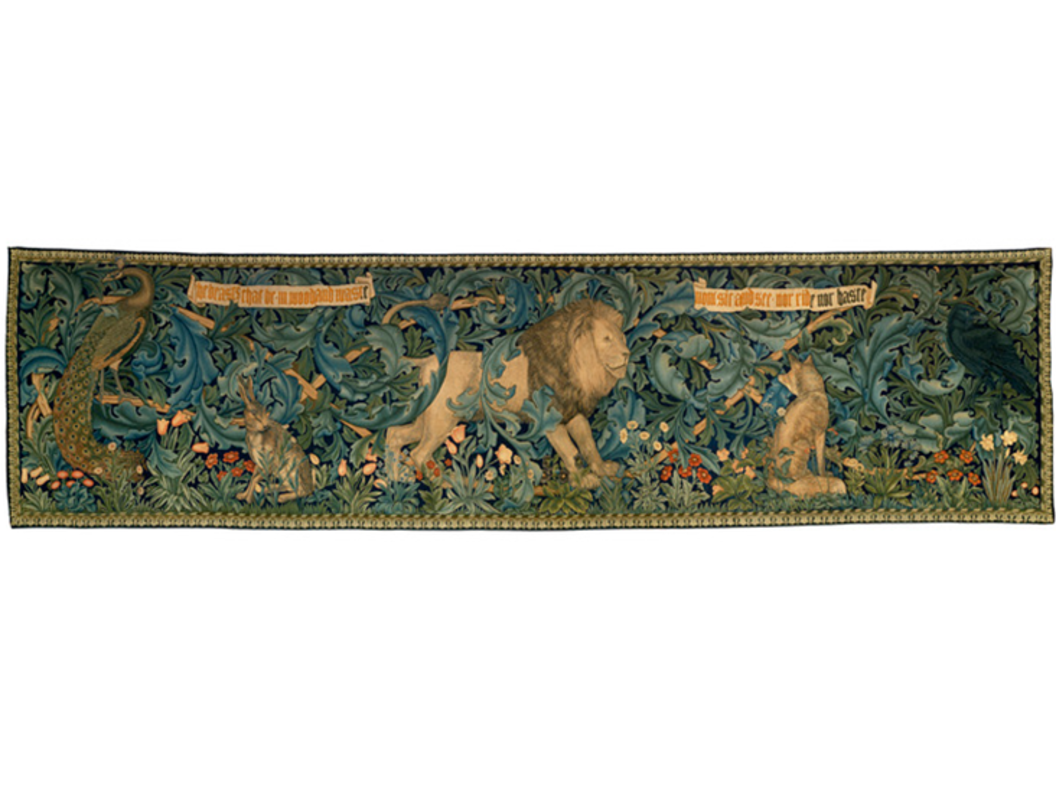
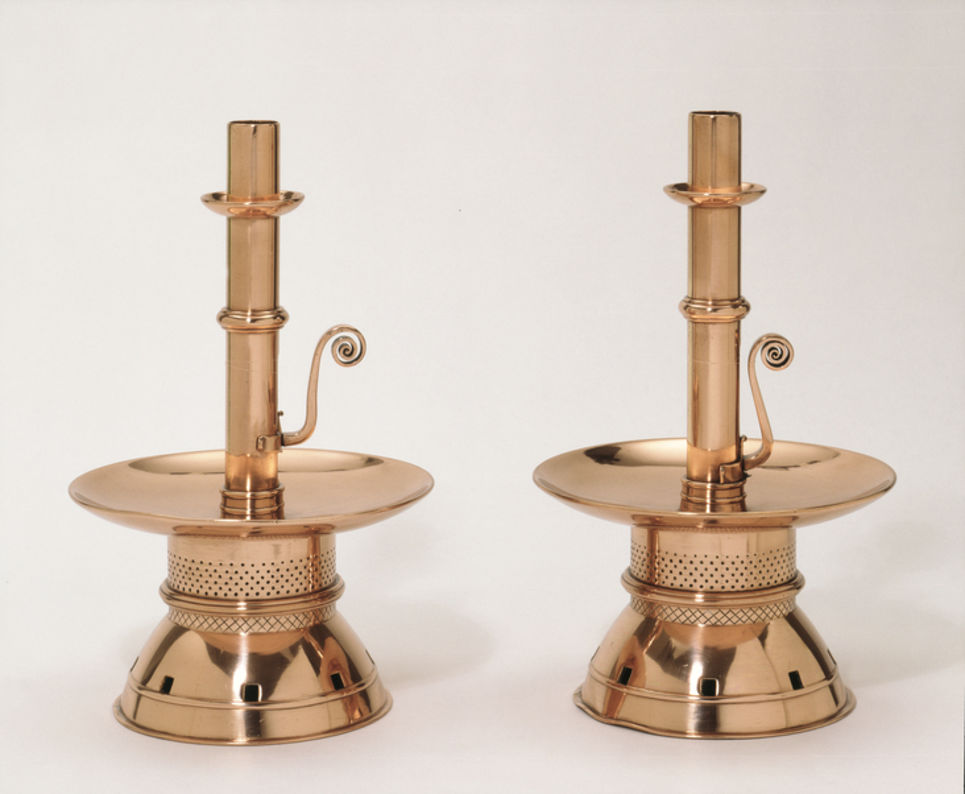
Philip Webb: Truth in Beauty is the first major exhibition to examine Webb’s holistic approach to architecture and the decorative arts. Bringing together furniture, stained glass, metalwork, textiles, and rare archival materials from major international collections, the exhibition explores the extraordinary breadth of Webb’s creative practice and his belief in the social value of design.
Support for Phillip Webb: Truth in Beauty is generously provided by the A. Alfred Taubman Foundation, Barrie and Deedee Wigmore, Morris & Co. with additional support by the Albert Dawson Educational Trust, the Sherrill Foundation, Joseph S. Pirapato, Giles Ellwood and Philippe Sacerdot, as well as other donors to Bard Graduate Center.
Curated by Susan Weber, founder and director, Bard Graduate Center; Laura Microulis, research curator, Bard Graduate Center; Catherine Arbuthnott, independent researcher and consulting curator; and developed in collaboration with the Victoria and Albert Museum, London.
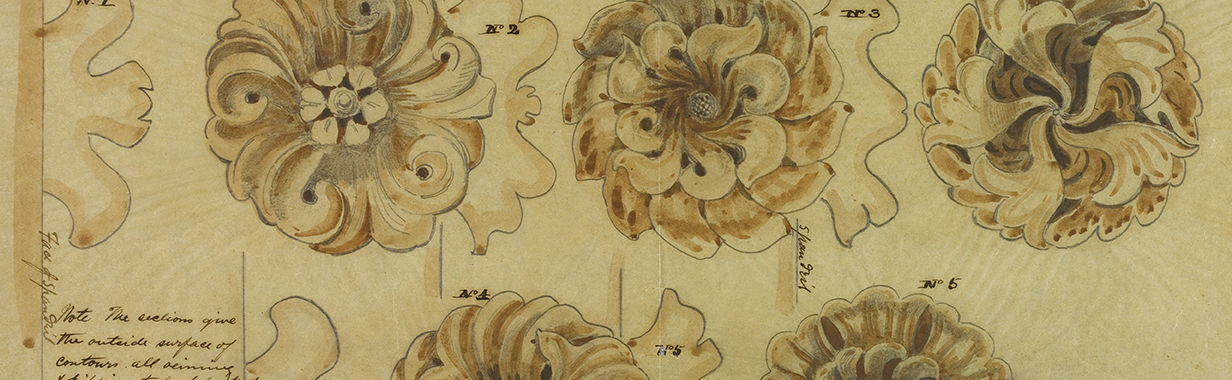
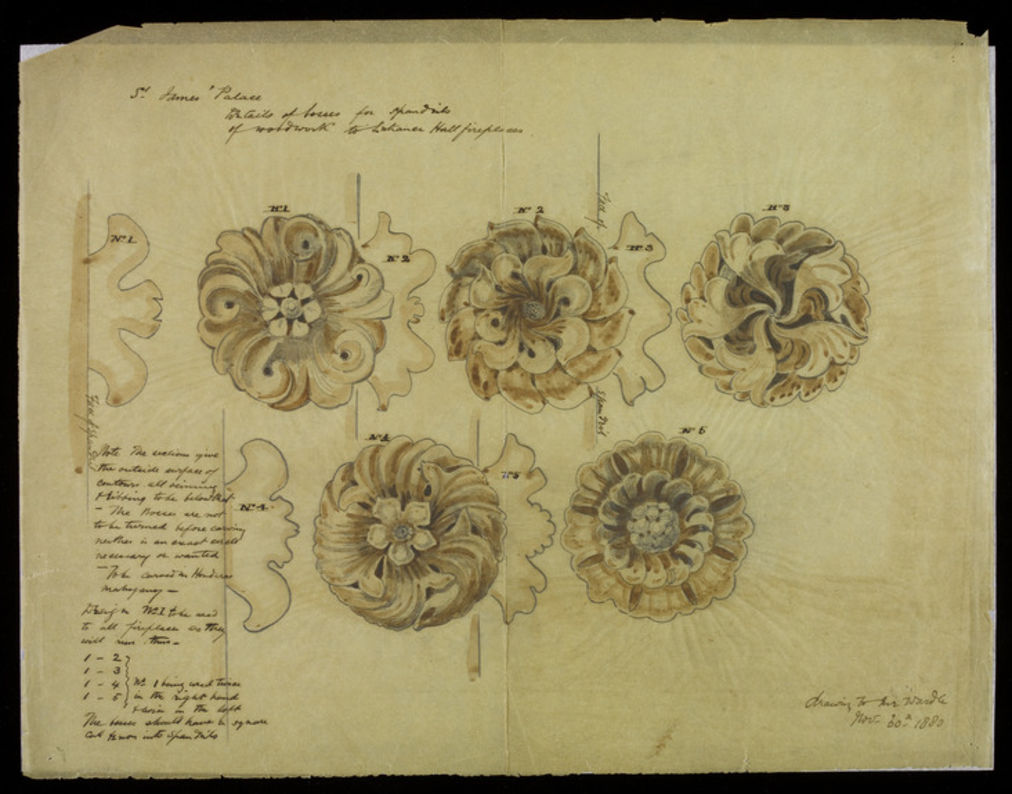
Banner image: Philip Webb, design for the bosses of the spandrels of the woodwork to the entrance hall fireplaces of St. James’s Palace, 1866–69. Pencil, ink, and colored wash on tracing paper. Victoria and Albert Museum, London, accepted in lieu of Inheritance Tax by H M Government from the estate of John Brandon-Jones and allocated to the Victoria and Albert Museum, 2014, E.480-2014.


