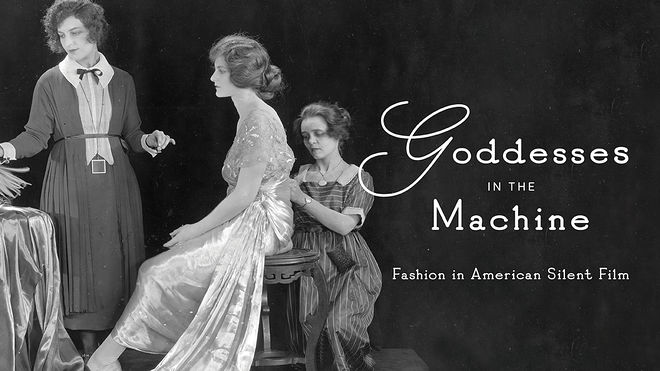
For an exhibition about silent film, Goddesses in the Machine: Fashion in American Silent Film is making quite a bit of noise.
Before the doors even opened, Hyperallergic included the exhibition in its Fall 2026 New York Art Guide, and the New York Times counted it in a list of “36 Things to Do in N.Y.C. in September.” New York magazine’s “Approval Matrix” placed it squarely in the highbrow and brilliant quadrant, nestled alongside Marcel Dzama’s New York Film Festival poster and Sotheby’s Botero in New York exhibition. We’re in good—and very stylish—company.
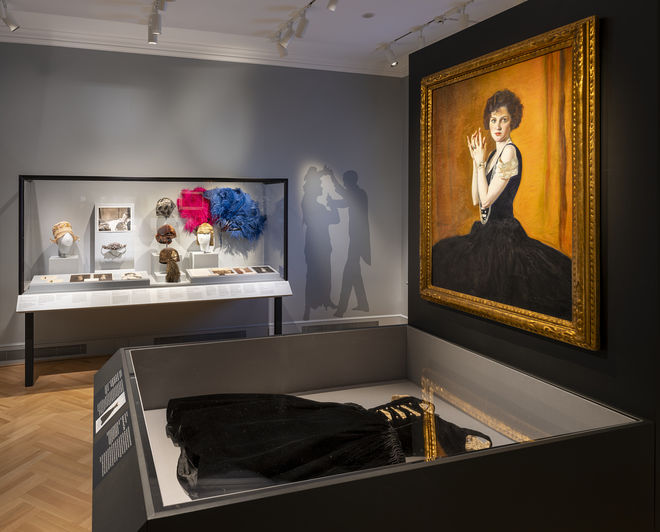
In the New Yorker, Rachel Syme welcomed the chance “to dip one’s toes into the era before talkies arrived.” She lauded the designers who helped bring the silent screen to life, creating “clothes that spoke loudly when leading ladies could not.” From Lady Duff-Gordon to Salvatore Ferragamo, her preview spotlights the designers and the “sumptuous drama” of their work. We couldn’t ask for a better invitation to look closely.
Behind all that glamor is another story: the extraordinary care required to preserve these delicate objects and bring them into our gallery. Stephanie Sporn at Vogue, praised how Goddesses in the Machine spotlights “undersung designers, […] making this exhibition crucial for preserving early cinematic history.” As Apollo aptly noted, “Only one in five films from the silent era have survived, and original garments and costume jewellery are even rarer.” The magazine also explored the exhibition’s treatment of fan culture, wardrobe departments, gender-bending, and the influence of Mexican and Indigenous apparel.
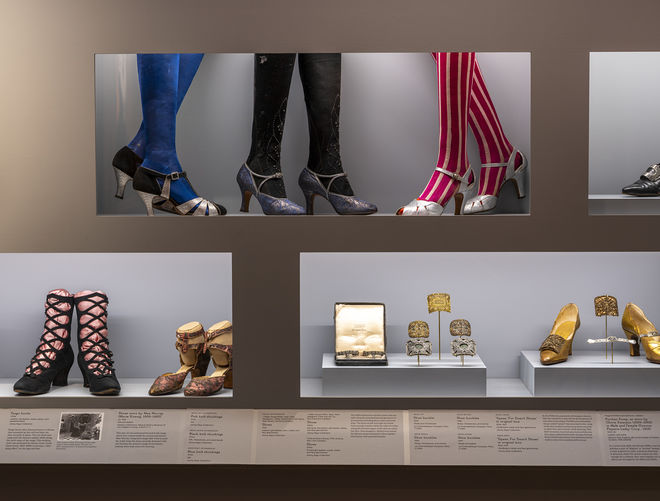
Elle magazine gave the goddesses an extended close-up. Drawing on interviews with the show’s curators Emma Cormack and Michelle Finamore, Kristen Bateman described this era as “one of the least documented in fashion history,” yet strikingly relevant today. With vintage styles enjoying renewed attention, she declared, “the timing is perfect.” “Even the most jaded of fashion followers,” could be surprised by the details: “every single millimeter of a visual detail mattered.”
Bateman’s feature also looks beyond the sumptuous gowns to the wardrobes of working women and moviegoers. For early film stars, fashion blurred the lines between screen and everyday life: performers often supplied their own clothes or commissioned pieces from their favorite designers.
New York City’s own goddesses are raving about the exhibition. Vogue Brasil columnist and New York-based style consultant, Ucha Meirelles, called Lillian Gish’s dress in Way Down East (1920) a standout in this “spectacular exhibition.”
“A+ fashion exhibit and a MUST for anyone’s bucket list,” and “a treasure to view in person,” praised Charlotte Engel Ellis, clothing historian at the New Canaan Museum & Historical Society. Mag Wildwood’s Closet, an antique and vintage jewelry archive run by a former theater actress, raved about the “privilege to see these incredibly rare costumes and silent film shorts so beautifully displayed.”
Goddesses was also featured in posts by New York Locals and silent film accompanist, composer, and historian Ben Model; Metropolitan Museum of Art Senior Editor and Gilded Age Fashion newsletter author, Elizabeth L. Block; the fashion historian Ruby Redstone in her popular Old Fashioned newsletter; and in the Hollywood Reporter’s “Unzipped” newsletter. Internationally, La Nouvelle Vague’s Sara Matijacic brought the exhibition to French audiences.
The movie magic begins at the entrance. Apollo praised the curators’ “particularly playful” approach to the opening gallery, which evokes a 1910s cinema foyer, complete with programmes, posters, and pre-show announcements. The Wall Street Journal celebrated the rare opportunity to see 16 surviving silent-screen costumes alongside film clips and stills that bring their original on-screen glamour to life. The stage is set. Now it’s your turn to meet the goddesses.
Plan your visit to Goddesses in the Machine: Fashion in American Silent Film, on view at Bard Graduate Center through January 3, 2027. Get tickets.


